
 29 April 2026
 Share
Share
1
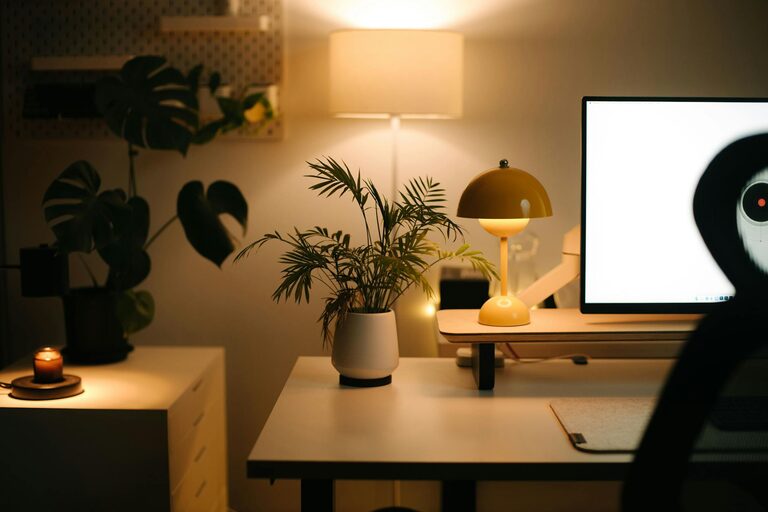
Creating a relaxing home workspace is essential for staying productive and motivated, especially when working remotely or managing tasks from home. A cluttered, uncomfortable environment can lead to distractions and stress, while a well-planned space encourages focus and creativity. Whether you have a dedicated room or a small corner, these tips will help you design a calming workspace tailored to your needs.
Your surroundings greatly influence your work habits and mental state. A workspace designed for relaxation reduces tension and helps maintain concentration for longer periods. When you feel comfortable and at ease, it’s easier to complete tasks efficiently and enjoy the workday.
Selecting the ideal location for your workspace is the first step.
– Natural Light: Position your desk near a window if possible. Natural light boosts your mood and reduces eye strain.
– Quiet Area: Find a place away from noise and household distractions to maintain focus.
– Adequate Space: Ensure there is enough room for your essentials without feeling cramped.
Ergonomics play a vital role in creating a relaxing and productive environment.
– Ergonomic Chair: Choose a chair with good lumbar support and adjustable height to keep your posture healthy.
– Desk Height: The desk should allow your forearms to be parallel to the floor when typing.
– Footrest: Using a footrest can improve circulation and comfort if your feet don’t rest flat on the floor.
A tidy workspace promotes a clear mind.
– Minimalist Approach: Keep only necessary items on your desk to reduce visual distractions.
– Storage Solutions: Use shelves, drawers, or organisers to keep papers and tools out of sight but within reach.
– Daily Tidying: Spend a few minutes at the end of each day clearing your workspace to start fresh tomorrow.
Adding personal touches can make your workspace inviting without overwhelming it.
– Plants: Incorporate greenery to improve air quality and add a calming presence.
– Inspirational Items: Place a few motivating quotes or photos that help maintain a positive mindset.
– Colour Palette: Use soothing colours like soft blues, greens, or neutrals to encourage relaxation.
Proper lighting is key to reduce eye fatigue and create a peaceful setting.
– Layered Lighting: Combine natural light, overhead lamps, and task lighting to adapt to different needs.
– Warm Bulbs: Use warm white bulbs rather than harsh fluorescents for a softer effect.
– Adjustable Desk Lamp: A lamp with adjustable brightness can help you focus better during late hours.
Keeping distractions to a minimum allows you to concentrate better.
– Noise Control: Use noise-cancelling headphones or play calming background music if needed.
– Limit Electronics: Turn off unnecessary notifications on your phone and computer while working.
– Clear Boundaries: Set clear working hours with household members to respect your work time.
Remember to take regular breaks to recharge and maintain productivity.
– Comfortable Seating: Have a cosy chair or cushion nearby to relax during short breaks.
– Movement: Stretch or take a short walk to keep energy levels up.
– Hydration and Snacks: Keep water and healthy snacks accessible to stay nourished.
Simple tech adjustments can make your workspace more comfortable.
– Cable Management: Use clips or sleeves to keep cords organised and prevent mess.
– Adjustable Monitor: Position screens at eye level to avoid neck strain.
– Blue Light Filters: Enable blue light reduction settings or use glasses to protect your eyes.
A fresh environment stimulates creativity and positivity.
– Air Quality: Use a small air purifier or open windows regularly to circulate fresh air.
– Scent: Aromatherapy with essential oils like lavender or eucalyptus can promote calmness.
– Regular Cleaning: Dust and wipe surfaces weekly to maintain cleanliness and freshness.
—
Creating a relaxing home workspace doesn’t require a large budget or an entire room. With thoughtful planning and attention to comfort, you can transform any space into a productive haven. Implement these tips gradually, and you’ll likely notice improved focus, reduced stress, and a greater sense of well-being during your workday.
