
 29 April 2026
 Share
Share
1
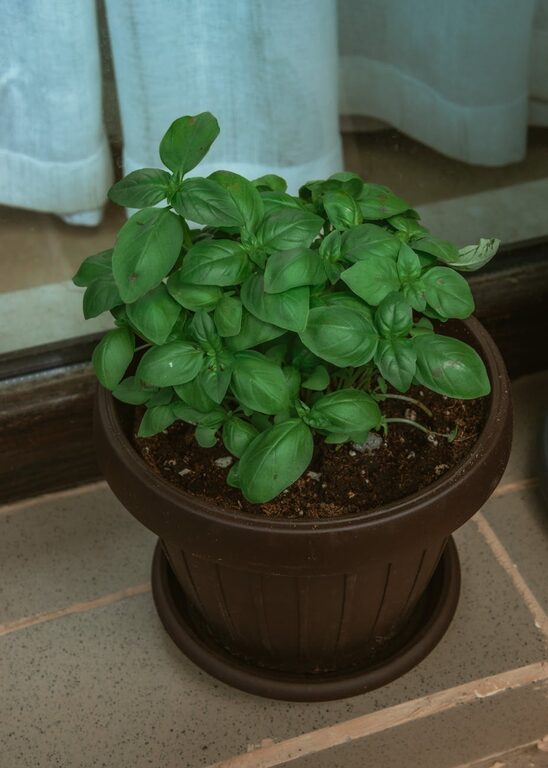
Growing an indoor herb garden year round is a rewarding way to have fresh flavours at your fingertips. Whether you have a sunny windowsill or a dedicated kitchen corner, herbs can add a burst of colour and aroma while enhancing your cooking. With the right care and setup, you can enjoy thriving herbs every season. Here’s a comprehensive guide to help you cultivate an indoor herb garden that flourishes regardless of the weather outside.
Not all herbs are suited to growing indoors, so it’s wise to select varieties that thrive in pots and limited space. Some reliable indoor herbs include:
– Basil: Loves warmth and plenty of light.
– Chives: Hardy and easy to grow.
– Mint: Vigorous grower, best kept in its own pot.
– Parsley: Does well in moderate light.
– Thyme: Prefers a dry environment with good sunlight.
– Oregano: Thrives with direct sunlight and well-drained soil.
– Rosemary: Needs bright light and well-drained soil.
Starting with these beginner-friendly herbs gives you a strong foundation for your indoor garden.
Most herbs need between 6-8 hours of natural light each day. Placing your herb pots on a south-facing windowsill is ideal as it provides consistent sunlight. If natural light is limited, consider using LED grow lights. These special lights mimic sunlight and can help herbs photosynthesise when natural rays are insufficient, especially during winter months.
Remember to rotate your pots every few days so all sides of the plants get equal light exposure, which encourages even growth.
Well-draining soil is essential to prevent root rot. Use a high-quality potting mix designed for indoor plants, or make your own by mixing equal parts of compost, peat moss, and perlite.
Choose containers with drainage holes to avoid waterlogged soil. Consider pots made from ceramic, terracotta, or plastic – but ensure they suit the indoor environment and complement your home decor. Using saucers under pots helps catch excess water and protects surfaces.
Herbs prefer soil that is moist but not soggy. Overwatering is one of the most common causes of failure in indoor herb gardening. A good rule of thumb is to water when the top 1-2 centimetres of soil feels dry to the touch.
Use room-temperature water and water thoroughly until it drains from the bottom of the container. Avoid letting herbs sit in standing water. During cooler months, plants typically need less water due to slower growth.
Most herbs favour temperatures between 18°C and 24°C, which aligns well with typical indoor conditions. Avoid placing your garden near drafts, radiators, or heating vents which can stress plants.
Herbs also appreciate moderate humidity. If your home is very dry, especially in winter, consider a humidity tray (a shallow tray filled with pebbles and water) beneath your plants or use a humidifier nearby.
Indoor herbs need nutrients to grow robustly due to limited soil volume. Feed your plants every 4-6 weeks during the growing season with a balanced, water-soluble fertiliser diluted to half-strength.
Organic options such as seaweed extract or compost teas can also provide gentle nourishment. Avoid over-fertilising, which can cause lush growth that is weak and vulnerable to pests.
Regular pruning keeps herbs productive and encourages bushy growth. Pinch back the tips of stems to prevent flowering, which can make leaves taste bitter.
Harvest leaves as needed, ideally in the morning when their flavour is at its peak. Use sharp scissors to cut stems just above a pair of leaves to allow regrowth. Be careful not to remove more than one-third of the plant at once.
Indoor herb gardens can sometimes attract pests like aphids or spider mites. Inspect plants routinely and if you spot pests, wipe leaves gently with a damp cloth or use an insecticidal soap suitable for edible plants.
Watch out for signs of disease such as yellowing leaves or mould growth. Good airflow and proper watering help reduce risks.
– Rotate plants seasonally: Move plants with different light needs to the best spots as daylight hours change.
– Start new cuttings: Propagate herbs from cuttings to replace older plants and keep your garden lively.
– Combine container styles: Mix tall, bushy and trailing herbs for an attractive display.
– Use vertical space: Herb gardens don’t have to occupy much surface area. Use shelves or hanging pots to maximise space.
– Create a dedicated herb station: Keep all your tools, fertilizers, and pots organised in one place to make care easier.
With careful attention to lighting, watering, and feeding, an indoor herb garden can thrive throughout the year. Growing herbs at home not only provides fresh ingredients but also adds a touch of greenery and aroma to your living space. Follow these practical tips, experiment with different varieties, and enjoy the satisfaction that comes from nurturing your own living pantry.
Happy gardening!
