
 29 April 2026
 Share
Share
1
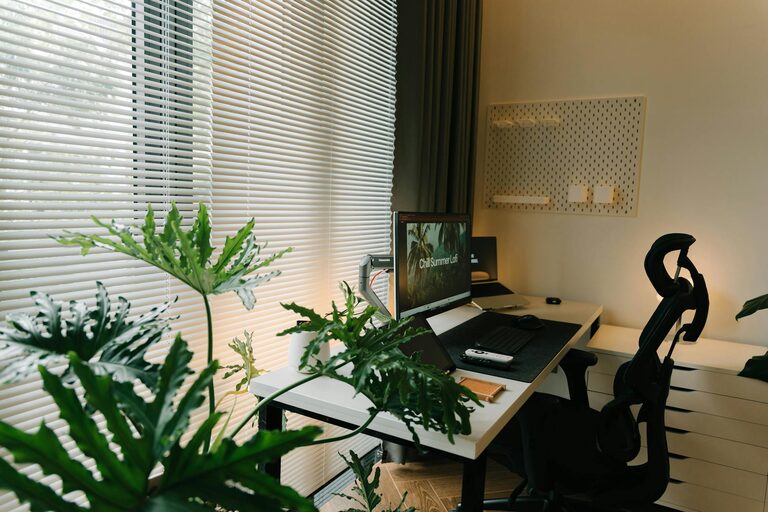
Creating a comfortable and efficient home workspace is more important than ever. Whether you are working remotely, studying, or managing household tasks, having the right environment can make a huge difference to your focus and overall wellbeing. Here, we share practical tips on how to create a home workspace that balances productivity with relaxation.
When you work or study at home, it’s easy to blur the lines between personal and professional life. A dedicated workspace helps set clear boundaries, signalling to your brain that it’s time to focus. It also reduces distractions and encourages good habits that support productivity.
Select a spot that suits your daily routine and minimises disturbances.
– Natural Light: Aim to position your desk near a window. Natural light not only brightens your space but also helps regulate your body clock, improving alertness.
– Noise Level: Find a quieter area away from household traffic or noisy appliances. If this isn’t possible, consider noise-cancelling headphones.
– Space: Ensure there is enough room for your equipment without feeling cramped. A clutter-free area promotes clearer thinking.
Paying attention to ergonomics can prevent discomfort and long-term issues.
– Chair: Invest in an adjustable chair with good lumbar support. Your feet should rest flat on the floor, and your knees should be at a 90-degree angle.
– Desk Height: The desk should allow your arms to rest comfortably at roughly 90 degrees when typing.
– Screen Position: Place your monitor at eye level about an arm’s length away to avoid straining your neck or eyes.
– Accessories: Use a separate keyboard and mouse if working on a laptop for better posture, and consider a footrest if needed.
A tidy space boosts efficiency and reduces stress.
– Declutter: Remove anything unrelated to work to avoid distractions.
– Storage Solutions: Use shelves, drawers, or organisers to keep documents and supplies handy but out of sight.
– Cable Management: Tidy cables with clips or sleeves to prevent tangling and maintain a clean look.
Incorporating calming touches can make your workspace more inviting.
– Plants: Adding greenery improves air quality and creates a soothing atmosphere.
– Colour: Choose soft, neutral colours for walls and accessories, or incorporate calming blues and greens.
– Lighting: Use adjustable lamps with warm light to reduce eye strain and create a cosy feel.
– Personal Touches: Include items that inspire you, such as artwork, photos, or meaningful objects, but avoid cluttering the space.
Your workspace is just one part of the equation. Developing good habits helps maintain both productivity and wellbeing.
– Set Working Hours: Define clear start and finish times to separate work from leisure.
– Breaks: Use techniques like the Pomodoro method (25 minutes focus, 5 minutes break) to prevent burnout.
– Stretching and Movement: Incorporate quick stretches or short walks to relieve muscle tension and boost circulation.
Technology is crucial in a home workspace, but it should support—not hinder—your workflow.
– Reliable Internet: Ensure your connection is stable for video calls and online tasks.
– Apps and Tools: Use productivity apps, calendar reminders, and task managers to organise your day.
– Limit Distractions: Turn off non-urgent notifications and consider apps that block distracting websites during work hours.
Finally, remember that your home workspace should support both your professional tasks and personal wellbeing.
– End-of-Day Ritual: Clear your desk and switch off work devices to signal the end of the workday.
– Separate Spaces: If possible, keep your workspace separate from relaxation areas to help mentally switch off.
– Self-care: Prioritise sleep, nutrition, and leisure activities alongside your work commitments.
—
Creating a relaxing and productive home workspace requires thoughtful planning and ongoing adjustments. By focusing on comfort, organisation, and atmosphere, you can build a space that not only supports your tasks but also nurtures your wellbeing. Experiment with these tips and tailor your setup to suit your unique needs and preferences. Happy working!
