
 29 April 2026
 Share
Share
1
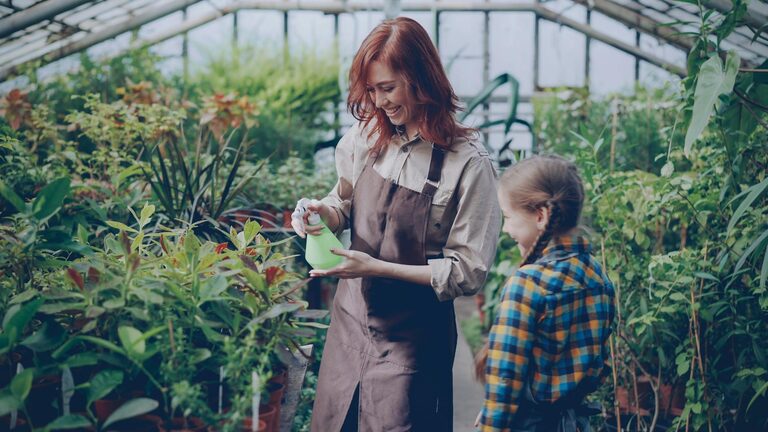
Creating a sustainable garden at home is a rewarding way to contribute to environmental conservation while enjoying the beauty and productivity of your outdoor space. Sustainable gardening focuses on minimising waste, conserving resources, and supporting biodiversity. Whether you have a small balcony or a large backyard, you can make choices that promote a healthy ecosystem and save money in the long run.
This guide will take you through practical tips for designing and maintaining a garden that is kind to the planet and beneficial to your wellbeing.
Sustainable gardening can reduce your carbon footprint, conserve water, improve soil health, and provide habitat for pollinators and wildlife. It encourages a balanced ecosystem where plants flourish naturally, pests are controlled without chemicals, and waste is reduced.
By adopting sustainable practices, gardeners help protect local ecosystems and create outdoor spaces that thrive with less effort and cost over time.
Start by evaluating your garden’s size, sunlight exposure, soil type, and local climate. Understanding these factors helps you select plants that will thrive naturally, reducing the need for artificial inputs.
Consider the amount of water available and check if rainwater collection is possible. Also, think about the wildlife you want to attract or support.
Native plants are adapted to your region’s climate and soil, making them easier to grow and maintain. They provide food and shelter to local insects, birds, and other wildlife.
Drought-tolerant plants minimise water use, an important factor if you live in an area with dry summers. Mixing native and drought-resistant species can create a resilient and attractive garden.
Select a variety of plants that offer flowers, foliage, and seeds throughout the seasons. This approach not only keeps your garden visually appealing all year but also supports different wildlife groups at different times.
Composting turns food scraps and garden clippings into nutrient-rich soil. Rather than sending organic waste to landfill, you create a natural fertiliser that improves soil structure and health.
Set up a simple compost bin or heap in a corner of your garden. Remember to balance green materials (like fruit and vegetable peelings) with brown materials (such as dry leaves or paper).
Efficient watering conserves water and prevents plant stress. Water early in the morning or late in the evening to reduce evaporation. Use drip irrigation or soaker hoses for targeted watering.
Collect rainwater in barrels to reduce reliance on mains supply. Mulch around plants to retain moisture and prevent weeds.
Chemicals can harm beneficial insects and disrupt soil life. Instead, use natural pest control methods such as attracting predatory insects (ladybirds, spiders), companion planting, and manual removal of pests.
Use organic fertilisers like compost tea or well-decayed manure to nourish plants gently and sustainably.
Include a range of plant types—trees, shrubs, herbs, flowers, and ground cover—to create diverse habitats. Add features like bird feeders, bug hotels, and ponds to invite wildlife.
Avoid tidy, overly manicured spaces; leaving some areas wild benefits invertebrates and small mammals.
Use reclaimed wood, old pots, and recycled containers for planting. Avoid single-use plastics and choose biodegradable or natural materials where possible.
– Crop Rotation and Polyculture: Rotate vegetables each season and grow different species together to improve soil health and reduce pest problems.
– Grow Your Own Food: Herbs, salad leaves, and some vegetables can be grown in pots or small patches, reducing your food miles.
– Use Shade and Windbreaks: Plant trees or shrubs strategically to provide shelter, reducing garden water needs and protecting plants.
– Reduce Lawn Area: Lawns require significant water and maintenance. Replace some lawn space with wildflower meadows or ground covers.
Starting a sustainable garden can be as simple as planting a few native flowers or setting up a compost bin. The key is to observe your garden regularly and adapt your practices based on results and changing conditions.
Keep a small journal to note when plants flower, how wildlife visits, and which pest control methods work best. This ongoing learning helps improve your garden’s sustainability over time.
—
By making thoughtful choices and adopting these tips, you’ll create a garden that not only looks beautiful but also feels good knowing it supports the environment. Sustainable gardening is a journey, and each step you take helps nurture a more balanced and healthy planet for future generations. Happy gardening!
